 Meta
 GoogleAvailable
Model
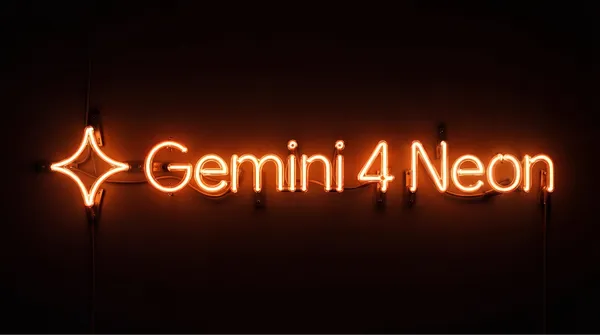
Gemini 4 Neon
Google's new Gemini 4 model pairs a 1M-token context window and four thinking levels with lower cost per task. It scores 61 on the AA Intelligence Index and targets complex coding, analysis, and cyber workflows.
Loading launches from 4 labs
GoogleAvailableGoogle's new Gemini 4 model pairs a 1M-token context window and four thinking levels with lower cost per task. It scores 61 on the AA Intelligence Index and targets complex coding, analysis, and cyber workflows.
OpenAI expanded its ChatGPT for Academic Researchers program to give 200,000 researchers worldwide free access to its frontier models.
 GoogleAvailable
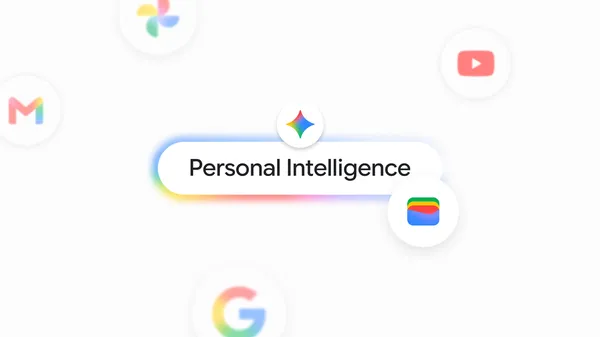
Google added Memory Summary to Personal Intelligence in Gemini. It gives users a single place to view, edit, or remove the saved preferences, interests, and ongoing goals Gemini uses to tailor responses.
Codex 0.168.0 lets you attach audio recordings when using audio-capable models. It skips confirmed rejected clips on later turns and uses clip duration to keep more short recordings in context.
 GoogleAvailable
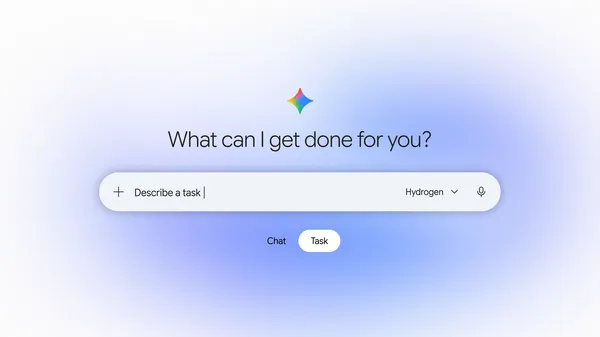
Google's new Gemini 4 Hydrogen model features a 1M-token unified context window, four thinking levels, and long decode for agentic workflows.
Anthropic launched Claude Fable 5.2 and Mythos 5.2 with 1M token context, 128k max output, and always-on adaptive thinking. Fable 5.2 for reasoning agents; Mythos 5.2 for verified orgs. Pricing: $8/MTok in, $40/MTok out.
Anthropic added message threads in beta to the Messages API, storing conversation history on the server. Subsequent requests only send new messages, reducing request size and time to first token.
 GoogleAvailable
Google's strongest frontier reasoning model for cybersecurity, long-horizon coding, and scientific research. It leads key vulnerability and coding benchmarks with a 1M-token unified context window.
 GoogleAvailable
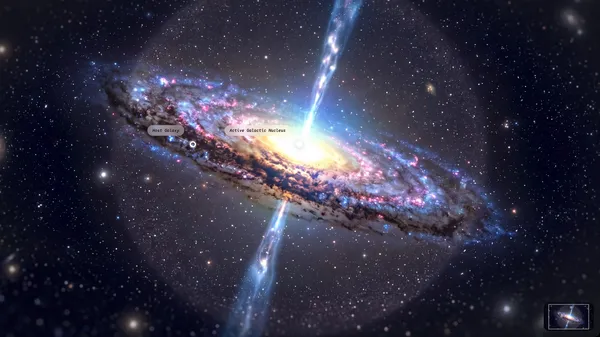
Google launched visual, interactive explorations in the Gemini app for studying complex science and history topics layer-by-layer.
 GoogleAvailable
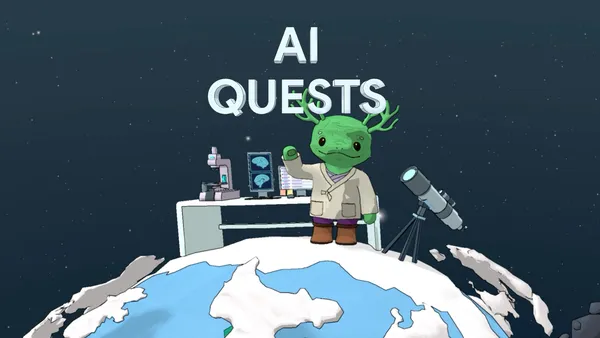
Google released teacher training modules in the Google AI Educator Series to support its AI Quests program. The modules help educators integrate AI literacy lessons into existing curricula and guide classroom discussion.
GoogleAvailableGoogle Research and the Stanford Accelerator for Learning launched Polar Peaks, an interactive AI quest for ages 11 to 14. Students learn AI literacy and human oversight by mapping brain neurons.
Anthropic raised the maximum request size for the Messages API and Token Counting API from 32 MB to 128 MB on the first-party Claude API, allowing larger payloads in a single call.