 Meta
OpenAIAvailable
API
OpenAI adds standby mode for GPT-Live WebRTC sessions
OpenAI now supports standby configuration for GPT-Live WebRTC sessions, pausing model inference during inactivity and resuming when someone speaks.
Loading launches from 4 labs
OpenAI now supports standby configuration for GPT-Live WebRTC sessions, pausing model inference during inactivity and resuming when someone speaks.
OpenAI released GPT-Live-1.1 on its API, updating its live voice model with better pronunciation, accent consistency, and transcription across multilingual conversations.

 GooglePreview
Gemini's Interactions API now supports on-demand loading of tool parameter schemas. Agents with large tool libraries can keep schemas out of context until needed, cutting input tokens, latency, and selection errors.
OpenAI released GPT-6.2 Astra for complex reasoning and GPT-6.2 Sol for everyday coding, both supporting the Responses and Chat Completions APIs.

An efficient and versatile model for everyday work and multistep agentic workflows, available now in ChatGPT Work, Codex, and the API.
OpenAI released the omni-moderation-csam-latest model to let approved organizations detect and prioritize potential CSAM and AI-generated CSAM images at no cost.
OpenAI's GPT-6.2 Astra is a frontier model built for professional work and scientific research, available in ChatGPT Work, Codex, and the API.
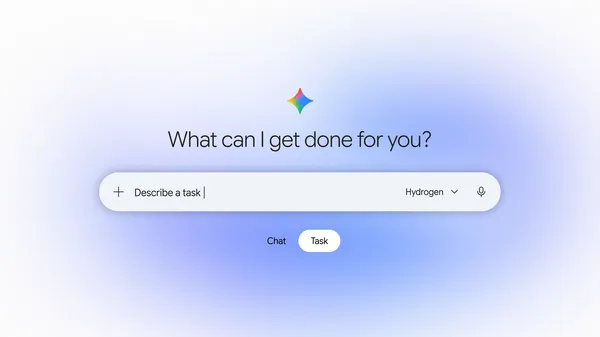 GooglePreview
Developers can now apply to join the Connected Apps Platform, which connects Gemini with over 60 popular applications.
GoogleAvailableGoogle added voice-driven editing, rewriting, and formatting to gemini-3.5-transcribe and gemini-3.5-transcribe-live, letting users modify dictated speech or existing text by voice.
OpenAI introduced two-hour and eight-hour background completion windows in the Responses API public beta with discounted token rates.
Linked billing lets third-party platforms bill customers directly for Claude API usage through their own Claude organizations without sharing API keys.