 GoogleAvailable
Model
Gemini 4 Neon
Google's new Gemini 4 model pairs a 1M-token context window and four thinking levels with lower cost per task. It scores 61 on the AA Intelligence Index and targets complex coding, analysis, and cyber workflows.
Loading launches from 4 labs
Topic
Context windows, memory across chats, caching, long inputs
GoogleAvailableGoogle's new Gemini 4 model pairs a 1M-token context window and four thinking levels with lower cost per task. It scores 61 on the AA Intelligence Index and targets complex coding, analysis, and cyber workflows.

 MetaAvailable
Loblaw is integrated as the first Canadian retail partner connector for Muse, enabling Canadian shoppers to plan meals, build baskets, and check out.
Codex version 0.170.0 adds experimental support for using identically named Model Context Protocol servers across different environments.
 GoogleAvailable
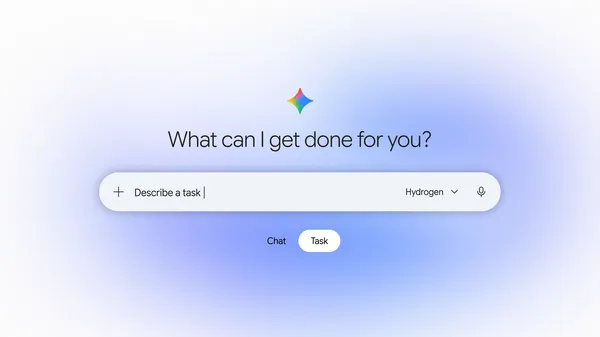
Gemini can now handle complex tasks like scheduling appointments, analyzing bills, and shopping by connecting to your Google apps and payment methods.
 MetaAvailable
Meta has launched its personal AI agent, Muse, in Australia with local app connectors, real-time voice capabilities, and custom spaces.
 GoogleAvailable
Google added Memory Summary to Personal Intelligence in Gemini. It gives users a single place to view, edit, or remove the saved preferences, interests, and ongoing goals Gemini uses to tailor responses.
GoogleAvailableU.S. Gemini app users can now connect Google Wallet to get personal finance insights, visualize spending habits, and track recurring subscriptions.
GooglePreviewDevelopers can now apply to join the Connected Apps Platform, which connects Gemini with over 60 popular applications.

OpenAI introduced a new Sales plugin and over 30 partner plugins in ChatGPT to research prospects, prepare pitches, and update CRMs.
GoogleAvailableUsers in the U.S. can forward emails and PDFs to gemini@google.com to kick off Gemini tasks, sort schedules, and process documents directly from any email client.
Claude Code now accepts MCP server JSON from standard input using `claude mcp add-json <name> -`. This keeps sensitive tokens off the command line.
Codex 0.168.0 lets you attach audio recordings when using audio-capable models. It skips confirmed rejected clips on later turns and uses clip duration to keep more short recordings in context.