 GoogleAvailable
Model
Gemini 4 Neon
Google's new Gemini 4 model pairs a 1M-token context window and four thinking levels with lower cost per task. It scores 61 on the AA Intelligence Index and targets complex coding, analysis, and cyber workflows.
Loading launches from 4 labs
Project Genie Community Gallery15h agoGoogle updates Genie 3 model15h agoGoogle Genie 4 World Model15h agoGemini App for Lower-Memory Android Devices16h ago Loblaw Connector for Muse18h agoGemini 4 Neon1d agoGemini API File Processing and Slicing1d ago
Thursday 19 Nov · Anthropic, OpenAI, Google, Meta
One card per launch from Anthropic, OpenAI, Google and Meta: what changed, how to try it, and every source linked.
Or sign in to save launches, follow topics and join discussions.
GoogleAvailableGoogle's new Gemini 4 model pairs a 1M-token context window and four thinking levels with lower cost per task. It scores 61 on the AA Intelligence Index and targets complex coding, analysis, and cyber workflows.
 GoogleAvailable
A new community gallery lets users publish, explore, and remix custom interactive worlds created in Project Genie.
GoogleAvailableGoogle has updated the Genie 3 world model with 3-minute sessions, world chaining, 360-degree panorama grounding, and real-time promptable events.
GoogleAvailableGoogle rolled out Genie 4 to AI Ultra subscribers, featuring real-time natural language environment editing, native adaptive audio, and interactive world generation.
 GoogleAvailable
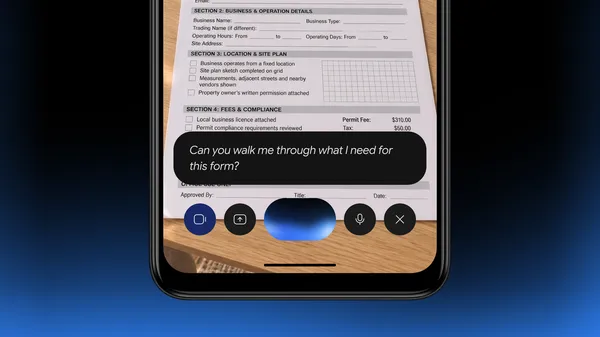
Google's Gemini app is now available on eligible Android (Go edition) and lower-memory devices, bringing features like Gemini Live and custom image creation.
 MetaAvailable
Loblaw is integrated as the first Canadian retail partner connector for Muse, enabling Canadian shoppers to plan meals, build baskets, and check out.
Codex version 0.170.0 adds experimental support for using identically named Model Context Protocol servers across different environments.
Codex now automatically refreshes authentication headers for OpenTelemetry HTTP exporters, ensuring continuous telemetry without token expiration issues.
Codex v0.170.0 adds WebRTC negotiation, allowing users to conduct realtime voice calls directly in the terminal user interface.
GoogleAvailableDevelopers can pass Microsoft Office and OpenDocument files directly to the Gemini API and slice documents, videos, and audio by specific ranges.
OpenAI introduced GPT-6 Astra, which optimized circuits used in Jalapeño silicon and improved RISC-V core designs.
 GoogleAvailable
Google DeepMind's AlphaGenome evaluates 1 million base pair DNA sequences to make thousands of predictions, helping scientists identify disease-causing genetic changes.
 GoogleAvailable
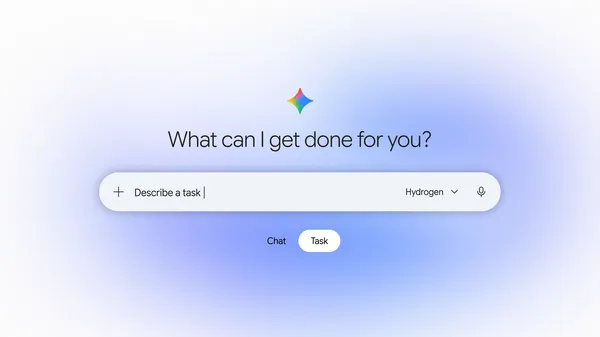
Gemini can now handle complex tasks like scheduling appointments, analyzing bills, and shopping by connecting to your Google apps and payment methods.
OpenAI released GPT-6.2 Astra for complex reasoning and GPT-6.2 Sol for everyday coding, both supporting the Responses and Chat Completions APIs.

An efficient and versatile model for everyday work and multistep agentic workflows, available now in ChatGPT Work, Codex, and the API.
OpenAI's GPT-6.2 Astra is a frontier model built for professional work and scientific research, available in ChatGPT Work, Codex, and the API.
GoogleAvailableGoogle DeepMind introduced AlphaGenome Atlas, a dataset predicting outcomes of 9 billion single-letter DNA changes to help researchers prioritize variants using an impact score.
GoogleAvailableGoogle DeepMind launched AlphaGenome 2, a model that predicts how genetic variants disrupt individual cell types instead of whole tissues.
 MetaAvailable
Meta has launched its personal AI agent, Muse, in Australia with local app connectors, real-time voice capabilities, and custom spaces.
MetaAvailableMeta added Spaces to its Muse app, letting users build custom interactive tools like trackers, games, and planning boards from a text description. Connected apps keep spaces updated automatically in the background.
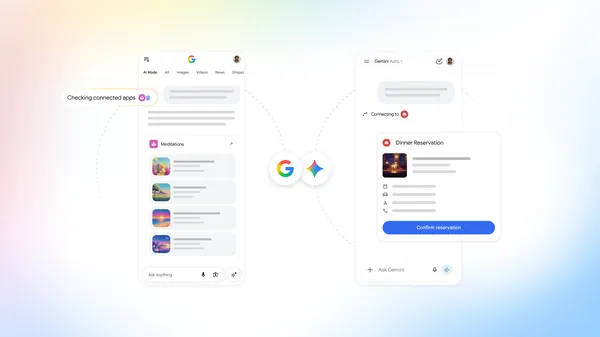
GooglePreviewDevelopers can now apply to join the Connected Apps Platform, which connects Gemini with over 60 popular applications.

OpenAI introduced a new Sales plugin and over 30 partner plugins in ChatGPT to research prospects, prepare pitches, and update CRMs.
 MetaBeta
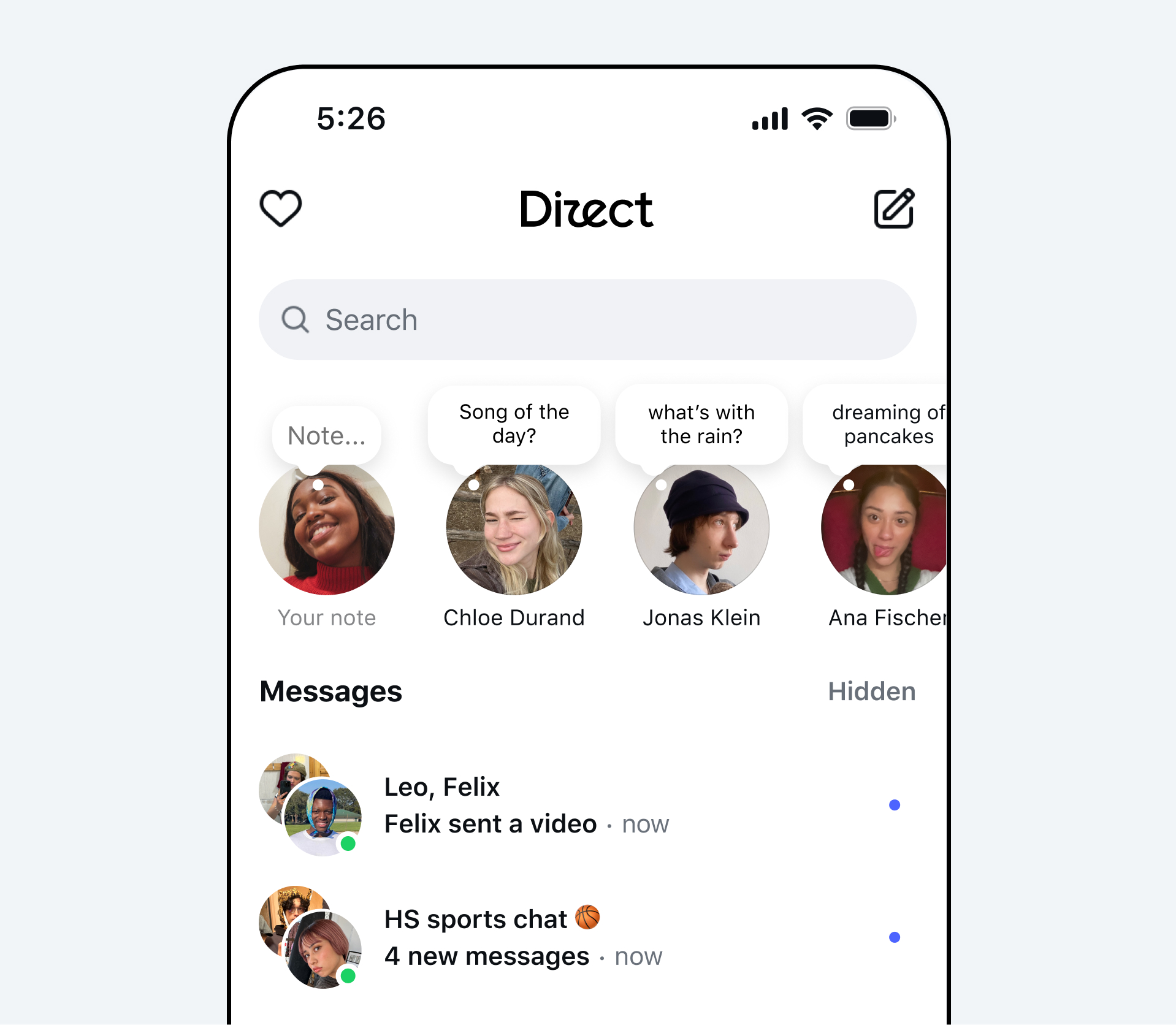
Meta is testing Direct, a standalone iOS and Android messaging app from Instagram for one-on-one and group chats. It separates messaging from the main feed and adds drawing, notes, custom stickers, voice effects, and themes.
GoogleAvailableGoogle added voice-driven editing, rewriting, and formatting to gemini-3.5-transcribe and gemini-3.5-transcribe-live, letting users modify dictated speech or existing text by voice.
GoogleAvailableGemini can now place phone calls to US businesses on your behalf to check inventory, compare quotes, or handle scheduling.
GoogleAvailableUsers in the U.S. can forward emails and PDFs to gemini@google.com to kick off Gemini tasks, sort schedules, and process documents directly from any email client.
GoogleAvailableUS users can now text Gemini via Google Messages or iMessage to manage tasks, send photos, and steer multi-step runs on the go.
OpenAI introduced two-hour and eight-hour background completion windows in the Responses API public beta with discounted token rates.
Partners can now embed their apps directly in Claude, letting users work within the same tool and screen without switching tabs.
A new plugin with 17 skills and four connectors helps manufacturers draft quotes, quality reports, and supplier requests from their existing systems.
Self-hosted Claude Managed Agents allow you to run agents in your own cloud or on-premise environment. You host the agents, credentials, and session history while controlling where requests are sent.
Astra for Law is a legal intelligence tool that ranked first in evaluations across 24 areas of law. ChatGPT Enterprise customers can now request access.
Linked billing lets third-party platforms bill customers directly for Claude API usage through their own Claude organizations without sharing API keys.
Claude Code now lets you name a session's billing group using the attributionProject setting. This helps organizations using Claude apps gateways track usage by project.
Claude Code now accepts MCP server JSON from standard input using `claude mcp add-json <name> -`. This keeps sensitive tokens off the command line.
MetaAvailableMeta is rolling out real-time voice conversations for Muse in Canada on mobile, web, and Mac. Users can talk through ideas out loud instead of typing prompts.
Claude Desktop now lets users choose between Stable and Latest release channels to control update frequency.
OpenAI expanded its ChatGPT for Academic Researchers program to give 200,000 researchers worldwide free access to its frontier models.
 GoogleAvailable
Users can now search their saved lists using Ask Maps to find local spots with immediate availability for visitors.
GoogleAvailableNew agentic capabilities allow Ask Maps to find open slots and call local businesses for appointments like beauty, pet care, and home repair.
GoogleAvailableGoogle Maps is rolling out new Ask Maps features for building custom road trip itineraries, getting real-time route tips, and finding open appointments.
OpenAI updated ChatGPT for Healthcare to include improved clinical answers, providing better responses for medical queries.
OpenAI introduced computer-use agents designed to work across healthcare software to handle real operational and clinical tasks.
OpenAI released the omni-moderation-csam-latest model to let approved organizations detect and prioritize potential CSAM and AI-generated CSAM images at no cost.
Anthropic now applies a text watermark to content generated by Claude 4.5 and 4.6 models on supported platforms when using default sampling parameters.
 MetaAvailable
Dream Render is an AI web app that turns product descriptions or still photos into editable video drafts in minutes.
 GoogleAvailable
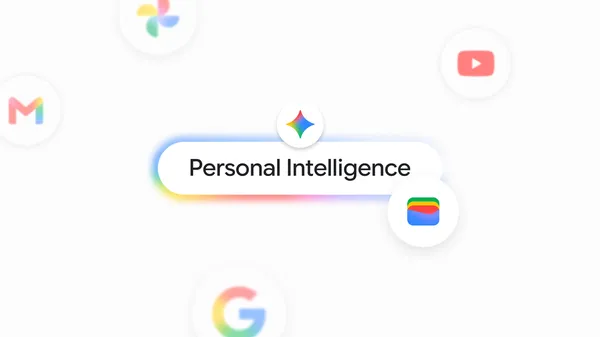
U.S. Gemini app users can now connect Google Wallet to get personal finance insights, visualize spending habits, and track recurring subscriptions.
ChatGPT Wallet is a secure payment method that lets agents in ChatGPT Work, Codex, and dots complete purchases with your approval.
OpenAI's Codex terminal workspace now lets users search through older agent tasks by name, prompt preview, or working directory.
Codex 0.169.0 lets users add or edit custom model providers from the terminal, create providers during sign-in, and use device codes for gateways.
Codex 0.169.0 adds support for multiple side-chat tabs in the terminal workspace. Users can navigate between them and restore saved chats after a restart.
OpenAI Codex now allows users to browse model providers under Sessions and select a default provider for new chats.
 GoogleAvailable
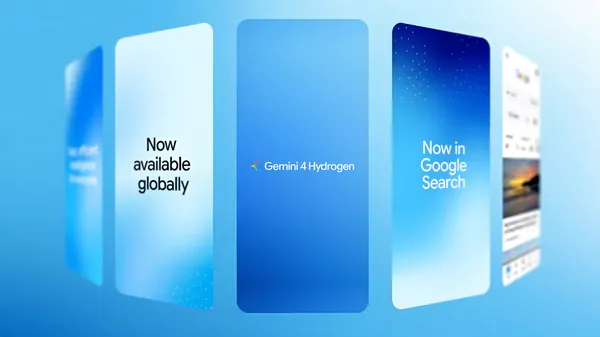
Google has integrated its Gemini 4 Hydrogen model into Google Search globally, improving intent understanding, query fan-out for better web linking, visual responses, and multilingual support.
GoogleAvailableGoogle's new Gemini 4 Hydrogen model features a 1M-token unified context window, four thinking levels, and long decode for agentic workflows.
Claude Meetings adds Claude to video calls as a visible participant to take notes, answer questions, and build live artifacts like docs and whiteboards.
Claude Code adds an experimental opt-in Code Mode where Claude writes JavaScript to call its tools.
 GoogleAvailable
Google introduced the Gemini Decisions API powered by the Gemini Decision 1 model, enabling developers to evaluate up to 1,000 yes/no, choice, and rubric-scoring questions in a single multimodal pass.
 GoogleAvailable
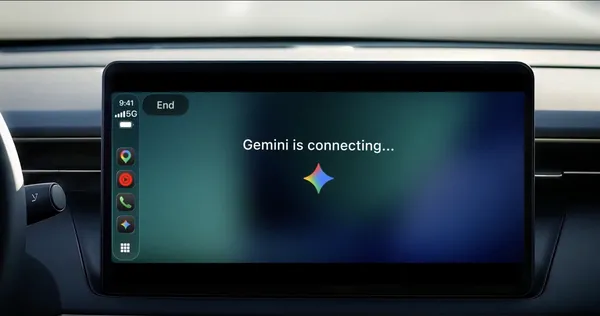
Google is bringing the Gemini app with Gemini Live to Apple CarPlay, enabling hands-free natural conversations, calendar management, and email summaries while driving.
 GoogleOn request
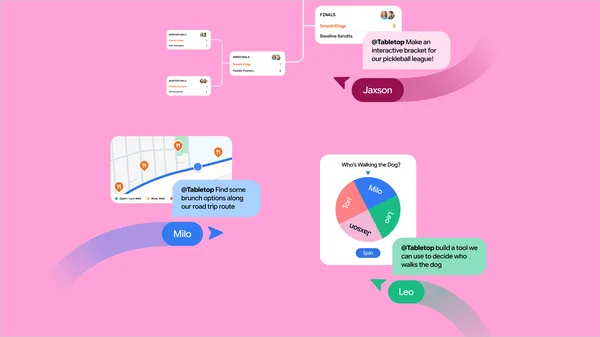
Tabletop is a Google Labs experiment for real-time group collaboration, allowing users to generate custom interactive itineraries, polls, and tools using AI prompts.
 GooglePreview
Google announced Gemini 4 Carbon, its strongest frontier model with advanced cybersecurity and long-horizon capabilities, priced at $2 per million input tokens and $10 per million output tokens.
 GoogleAvailable
Google launched visual, interactive explorations in the Gemini app for studying complex science and history topics layer-by-layer.
 GooglePreview
Google's Connected Apps Platform lets developers build and manage apps for Search and the Gemini app using a cloud-hosted MCP server or Android MCP.
 MetaAvailable
Meta's personal AI agent, Muse, is now available in Singapore on iOS, Android, and muse.ai, featuring local app connectors like Shopee and Grab.
ChatGPT Pro and Business subscribers can now claim up to $500 per month in OpenAI API credits. This allows paid subscribers to build and test API applications using their existing plan.
Anthropic raised the maximum request size for the Messages API and Token Counting API from 32 MB to 128 MB on the first-party Claude API, allowing larger payloads in a single call.
 GoogleAnnounced
Google introduced Genie 4, a new world model focused on realism in real-time simulation. Specifics on access, benchmarks, and capabilities were not detailed in the snippet.
GoogleBetaGoogle released gemini-api, a stateless, zero-dependency command-line client for the Gemini API. It lets scripts, CI pipelines, and coding agents call Gemini without SDK setup.
 GoogleAvailable
Google announced Gemini 4 Argon, a new AI model featuring advanced reasoning, coding, and multimodal performance for complex long-horizon workflows.
GoogleAvailableNew paid-tier Google Gemini API projects now store Generate Content API requests by default. Developers who do not want requests logged must opt out per request or in the dashboard.
OpenAI released GPT-6.1 Terra, a fast, efficient model built for visual reasoning, computer use, and natural writing. It is available through the OpenAI API.
 GoogleAvailable
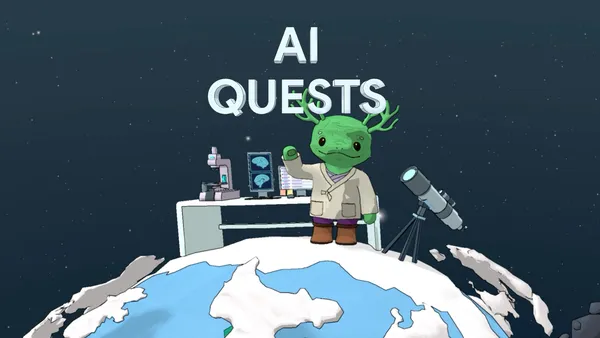
Google released teacher training modules in the Google AI Educator Series to support its AI Quests program. The modules help educators integrate AI literacy lessons into existing curricula and guide classroom discussion.
GoogleAvailableGoogle Research and the Stanford Accelerator for Learning launched Polar Peaks, an interactive AI quest for ages 11 to 14. Students learn AI literacy and human oversight by mapping brain neurons.