


AnthropicBeta
Dev tool
Linked Billing on Claude Platform
Linked billing lets third-party platforms bill customers directly for Claude API usage through their own Claude organizations without sharing API keys.
Loading launches from 4 labs
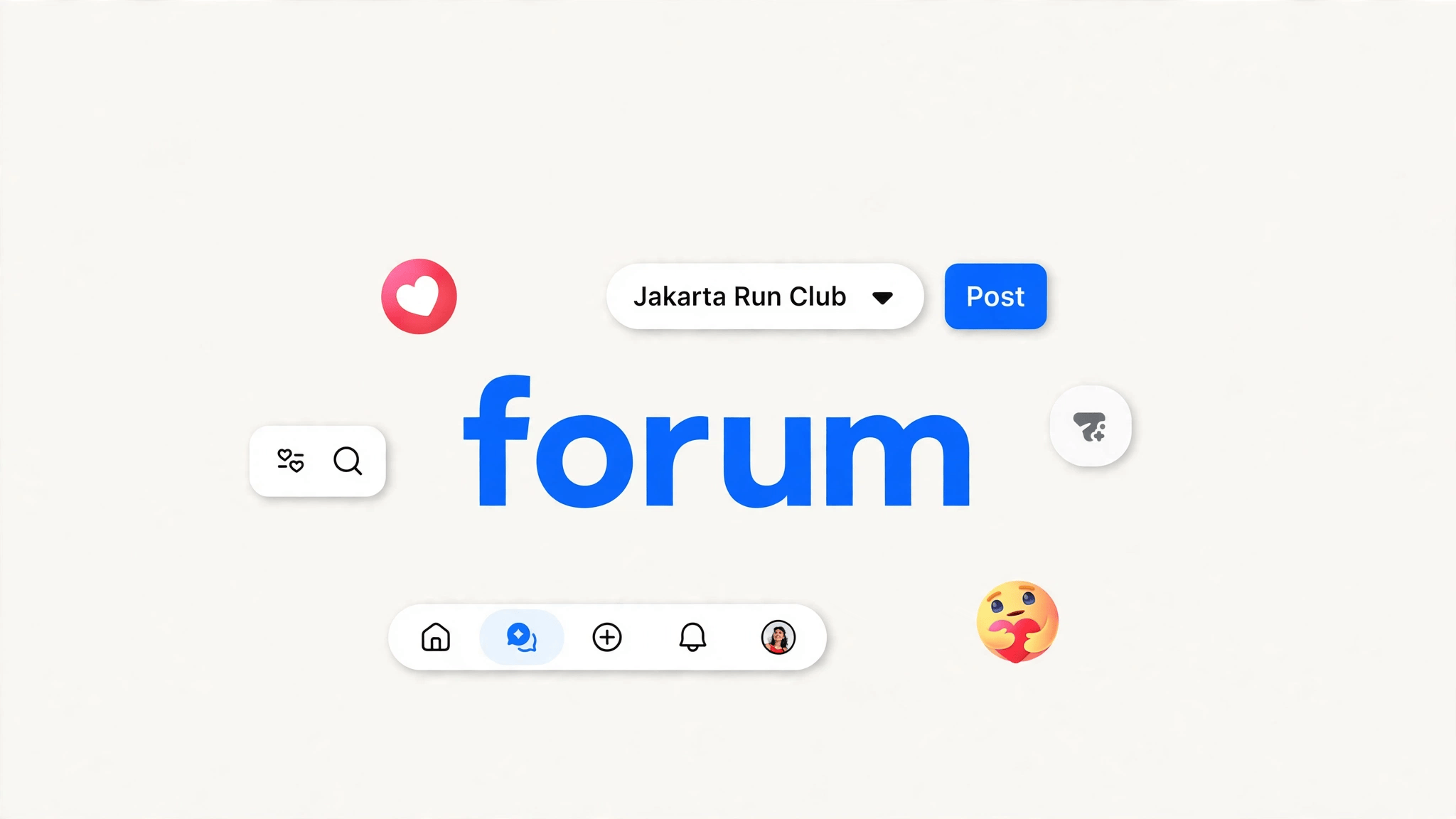
 Meta Forum app for Facebook Groups8h ago
 Gemini CLI adds standalone theme.json support12h agoGemini CLI /stats heatmap subcommand12h agoGoogle Genie 4 World Model20h agoProject Genie Community Gallery20h agoGoogle updates Genie 3 model20h agoGemini App for Lower-Memory Android Devices21h agoLoblaw Connector for Muse1d agoGemini 4 Neon1d ago
Thursday 19 Nov · Anthropic, OpenAI, Google, Meta
One card per launch from Anthropic, OpenAI, Google and Meta: what changed, how to try it, and every source linked.
Or sign in to save launches, follow topics and join discussions.
Linked billing lets third-party platforms bill customers directly for Claude API usage through their own Claude organizations without sharing API keys.
Claude Code now accepts MCP server JSON from standard input using `claude mcp add-json <name> -`. This keeps sensitive tokens off the command line.
Anthropic now applies a text watermark to content generated by Claude 4.5 and 4.6 models on supported platforms when using default sampling parameters.
Claude Code adds an experimental opt-in Code Mode where Claude writes JavaScript to call its tools.
Anthropic added fast mode support for Claude on Vertex AI across global, US, and EU regions, with automatic fallback to standard speed if fast mode is refused.
Claude Code's remote-control command now accepts a --settings file flag that applies configuration to every session it starts. Changes to the file require a restart to take effect.
New CLI command identifies latency bottlenecks in Claude API code and tests faster configurations against your evals.
A new `permissions.denyInsteadOfPrompting` setting automatically denies tool calls that would otherwise pause for permission prompts, letting the turn continue without interruption.
Claude Code now backgrounds MCP tool calls immediately and reports results when they finish, with an option to disable this behavior.
Claude Code now lets you name a session's billing group using the attributionProject setting. This helps organizations using Claude apps gateways track usage by project.
Organizations can now create IP allowlists in the Claude Console to limit API requests to specific IPv4/IPv6 addresses or CIDR ranges, reducing risk from leaked keys.